
Airflow That Reaches Every Intended Space
Ductwork Services in Lacombe for addressing poor air delivery and inconsistent HVAC performance
Duct systems that leak conditioned air into attics or crawlspaces, sag under insulation weight, disconnect at joints, or route air inefficiently through multiple bends and restrictions reduce HVAC performance and create uneven comfort across the property. Solagen, LLC provides ductwork services in Lacombe after inspecting the existing configuration and identifying leaks, damage, or design flaws that compromise airflow. Northshore heat and humidity demand consistent air delivery to every room, and ductwork problems force the system to run longer, work harder, and still fail to maintain stable temperatures in affected areas.
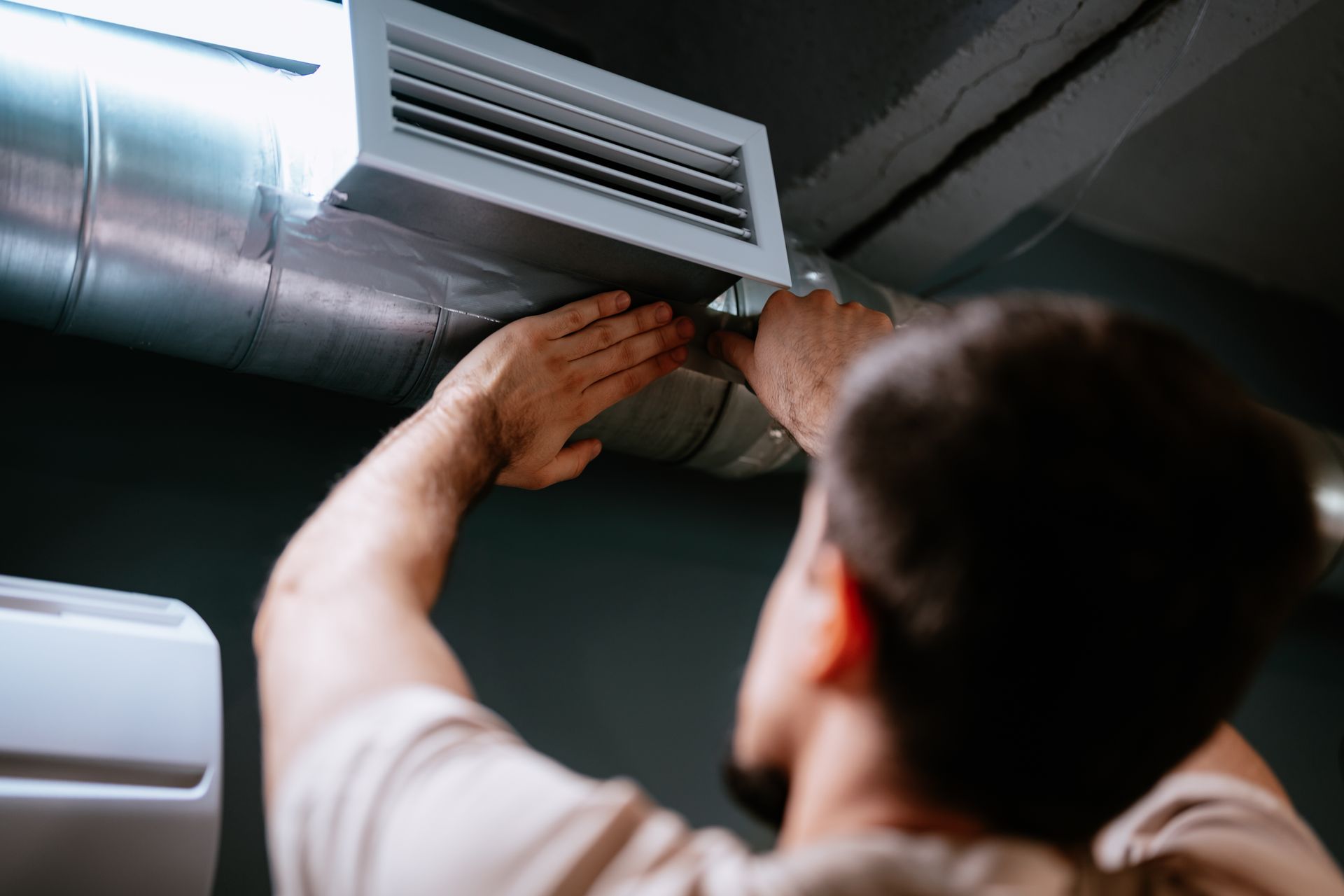
Inspection involves tracing duct runs, checking connections at plenums and registers, measuring airflow at supply diffusers, and testing for leakage using pressure differentials or visual evidence of air escaping at seams and joints. We evaluate whether duct sizing matches the system's airflow capacity, identify sections crushed by storage or settling insulation, and confirm that return pathways provide adequate air to the equipment. Corrective work may include sealing leaks with mastic, replacing damaged sections, rerouting poorly designed runs, or adding insulation to ducts passing through unconditioned spaces.
Schedule a ductwork evaluation if rooms feel stuffy, air delivery is weak, or HVAC performance has declined without obvious equipment failure.
What Duct Condition Actually Affects
Leaky or poorly configured ductwork loses conditioned air before it reaches intended spaces, forcing the HVAC system to compensate by running longer cycles that increase wear and operating costs. Air escaping into attics heats up in summer or cools down in winter before returning to the equipment, reducing the system's effective capacity. Undersized ducts restrict airflow, causing pressure imbalances that stress blower motors and reduce dehumidification because air moves too quickly across the evaporator coil to shed moisture effectively.
Once ductwork is sealed, repaired, or reconfigured, airflow reaches each room as designed, temperatures equalize across the property, and the HVAC system satisfies thermostat demand without extended runtimes. Rooms that previously stayed warmer or cooler than the rest of the house now receive their intended share of conditioned air, and system performance stabilizes because the equipment no longer fights against airflow restrictions or compensates for lost capacity. Reduced air leakage also means less dust infiltration from attics or crawlspaces, improving indoor air quality.
Ductwork services do not automatically reduce energy costs by a specific percentage, and claims about guaranteed efficiency gains ignore variables like insulation quality, equipment condition, and thermostat settings. What changes is air delivery—more consistent, more balanced, and more aligned with the system's designed capacity. We explain what ductwork corrections will accomplish and what other factors may still affect comfort or operating costs.
Questions Before Starting Your Project
Property owners across Lacombe and the Northshore often ask similar questions when ductwork issues are suspected but not yet confirmed through inspection.
What are common signs of ductwork problems?
Weak airflow from some registers, rooms that never match thermostat setpoint, excessive dust accumulation, and HVAC systems that run constantly without maintaining comfortable temperatures all suggest duct issues.
How are duct leaks sealed?
Mastic sealant is applied to seams, joints, and penetrations where ducts connect to plenums or pass through framing, creating an airtight bond that remains flexible as ducts expand and contract with temperature changes.
When should ducts be replaced instead of repaired?
Ducts crushed beyond reshaping, sections with extensive mold growth, or systems with fundamental design flaws that cannot be corrected through sealing or insulation upgrades typically require replacement.
How does ductwork condition affect Northshore cooling demands?
Leaky ducts waste cooled, dehumidified air into hot, humid attic spaces, forcing the system to remove both temperature and moisture load repeatedly instead of maintaining stable indoor conditions efficiently.
What happens during a ductwork inspection?
Inspection includes visual assessment of accessible duct sections, airflow measurement at supply registers, pressure testing to quantify leakage, and thermal imaging to locate temperature differences that indicate air escaping into unconditioned spaces.
Solagen, LLC evaluates ductwork condition objectively, recommending repair, sealing, or replacement based on inspection findings rather than assumptions about age or appearance. Arrange a ductwork evaluation to identify airflow issues affecting your HVAC system and review corrective options tailored to your property's specific duct configuration.